


WINE GUIDES · CHEERS4YOU SIP & READ

Choosing between red wine and white wine can feel confusing, especially if you’re new to wine. Should you pick a bold red for dinner, a refreshing white for a gathering, or simply whichever bottle looks appealing?
The good news is that choosing wine doesn’t have to be complicated.
The main difference between red and white wine is how they’re made, which influences their colour, tannins, flavour and texture. Red wines are typically richer and more tannic, while white wines are often lighter and more refreshing. But neither is automatically better. The right choice depends on your taste, the food you’re enjoying and the occasion.
Let’s explore the differences so you can choose your next bottle with confidence.
What’s the Difference Between Red Wine and White Wine?
Both red and white wines are made from fermented grapes, but their production methods are different.
Red wine is usually made by fermenting grape juice together with the grape skins. This gives red wine its colour, tannins and some of its characteristic flavours.
White wine is generally made by separating the juice from the skins before fermentation, resulting in a lighter colour and typically lower tannin levels.
Here’s a simple comparison:
| Feature | Red Wine | White Wine |
|---|---|---|
| Colour | Ruby, garnet or deep purple | Pale straw, gold or yellow |
| Common flavours | Berries, cherries, plums, spices | Citrus, apples, pears, tropical fruit |
| Tannins | Usually moderate to high | Usually low |
| Acidity | Varies by style | Often crisp and refreshing |
| Body | Light to full-bodied | Light to full-bodied |
| Serving temperature | Generally 12–18°C | Generally 7–13°C |
| Popular grapes | Cabernet Sauvignon, Merlot, Pinot Noir | Chardonnay, Sauvignon Blanc, Riesling |
| Common food pairings | Beef, lamb, mushrooms, rich sauces | Seafood, chicken, salads, lighter dishes |
What Does Red Wine Taste Like?
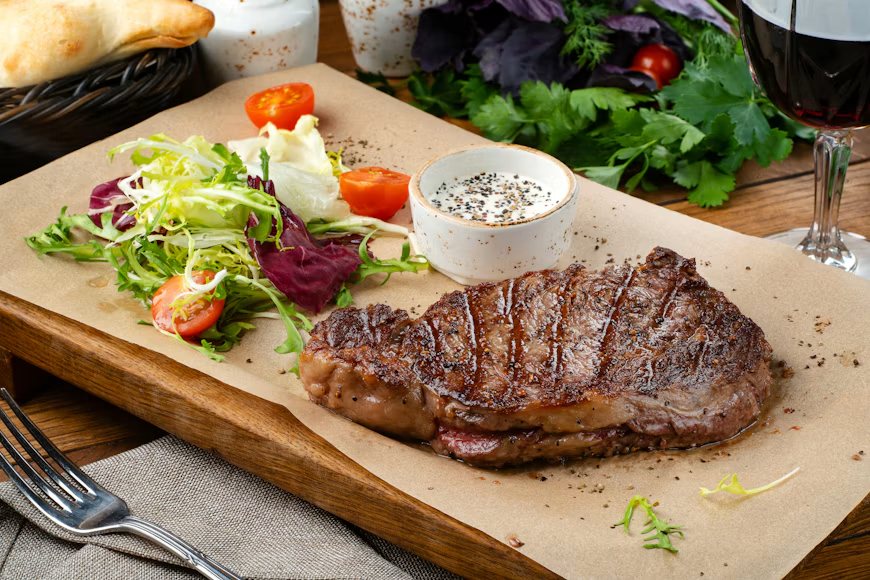
Red wine is known for its wide range of flavours, from fresh and fruity to bold and complex.
Depending on the grape variety and winemaking style, red wine may offer notes of cherries, blackberries, plums, pepper, vanilla or earthy spices.
One defining characteristic of many red wines is tannin. Tannins create a drying sensation in your mouth, similar to drinking strong black tea.
Popular Red Wines to Know
Cabernet Sauvignon
Typically full-bodied, with dark-fruit flavours and noticeable tannins. A popular choice for steak, roast beef and hearty dishes.
Merlot
Often smooth and approachable, with plum and cherry flavours. A good starting point for beginners who enjoy softer red wines.
Pinot Noir
Generally lighter-bodied, with red-fruit flavours and gentler tannins. Pairs well with roast chicken, mushrooms and salmon.
Primitivo
Often rich and fruit-forward, with ripe berry and spice notes. A great option for barbecue meats, pizza and flavourful pasta dishes.
Explore the Cheers4You wine collection and check individual bottle descriptions to find a style that suits your taste.
What Does White Wine Taste Like?
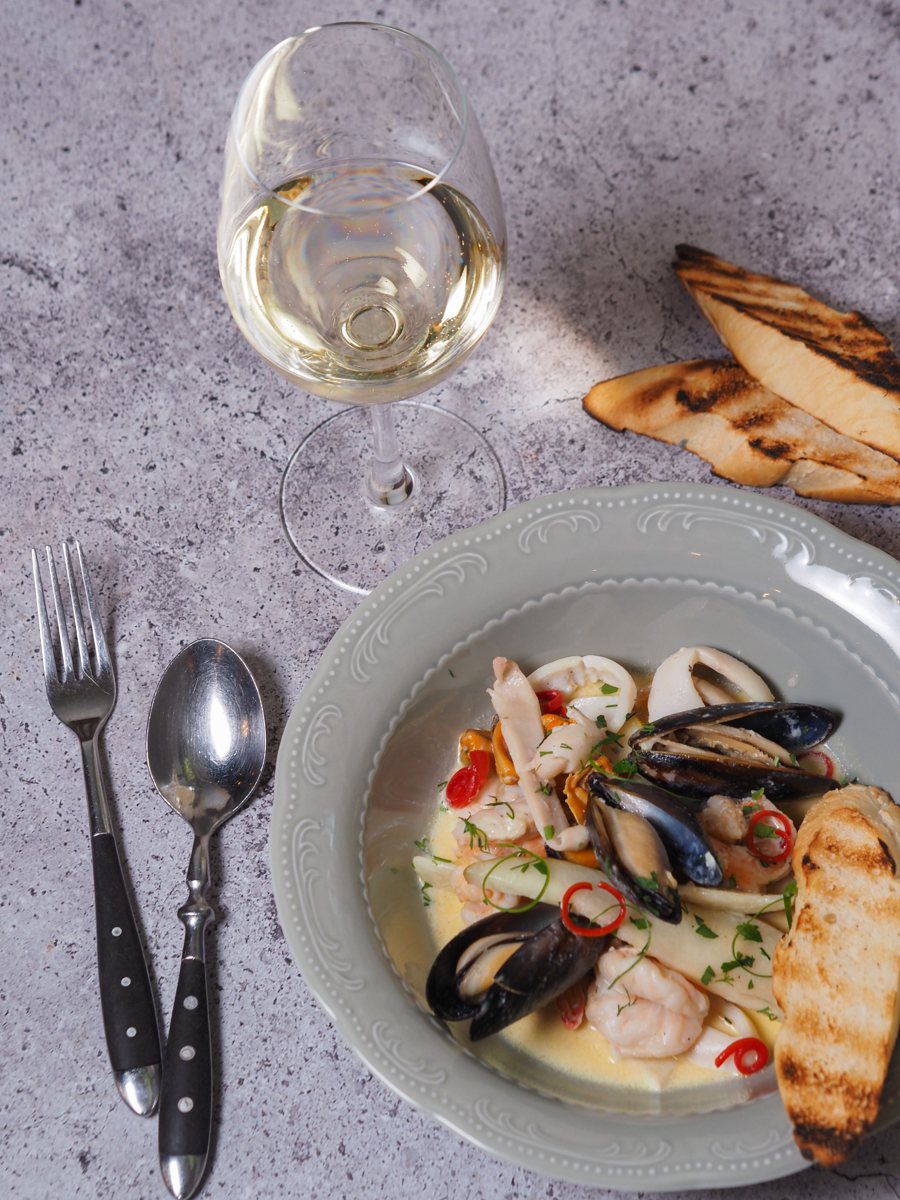
White wines are often associated with freshness, bright fruit flavours and crisp acidity.
Depending on the grape and winemaking method, white wine can range from light and zesty to creamy and full-bodied.
You may notice flavours such as lemon, green apple, peach, pear, pineapple or tropical fruit.
Popular White Wines to Know
Sauvignon Blanc
Usually crisp and aromatic, with citrus, passion fruit or herbal notes. Excellent with seafood, salads and lighter dishes.
Chardonnay
One of the most versatile white grapes. Unoaked Chardonnay can taste fresh and citrusy, while oak-aged versions may offer richer, buttery or vanilla-like notes.
Riesling
Often highly aromatic, with citrus, peach or floral flavours. Available in dry, off-dry and sweet styles, making it especially versatile with spicy foods.
Pinot Grigio
Typically light, refreshing and easy-drinking, with subtle pear, apple and citrus notes.
Explore the Cheers4You wine collection and check individual bottle descriptions to find a style that suits your taste.
Red Wine vs White Wine: Which Is Better for Food?
There’s no universal rule that red wine must accompany meat or white wine must accompany fish.
A better approach is to consider the richness, seasoning and sauce of your dish.
For example, a lightly grilled fish might pair beautifully with Sauvignon Blanc, while salmon with a rich mushroom sauce could work with Pinot Noir.
Wine Pairing Guide for Everyday Meals
| Food | Suggested Wine | Why It Works |
|---|---|---|
| Steak or roast beef | Cabernet Sauvignon | Tannins complement rich, fatty meat |
| Roast chicken | Chardonnay or Pinot Noir | Both can balance savoury flavours |
| Grilled seafood | Sauvignon Blanc | Fresh acidity complements seafood |
| Creamy pasta | Chardonnay | Fuller-bodied styles complement creamy sauces |
| Tomato-based pasta | Sangiovese or Merlot | Fruit and acidity balance the sauce |
| Barbecue meats | Primitivo or Shiraz | Bold fruit complements smoky flavours |
| Spicy Asian dishes | Off-dry Riesling | A touch of sweetness can soften chilli heat |
For more pairing inspiration, read our How to Choose the Right Wine for Dinner: A Beginner’s Guide.
Which Wine Goes Best With Singaporean Food?
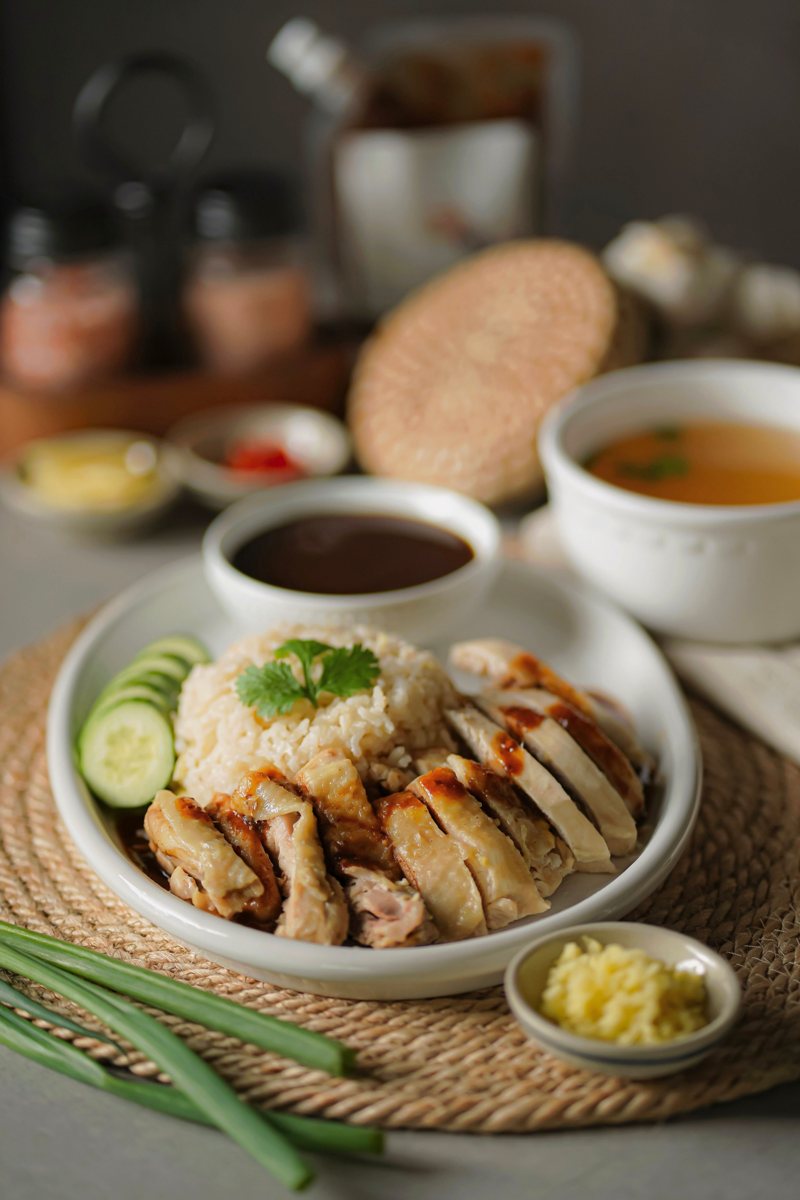
Singapore’s diverse food culture makes wine pairing especially interesting.
From rich chicken rice to spicy chilli crab, the key is to choose a wine that complements the dish without overpowering it.
Hainanese Chicken Rice
Try a dry Riesling or lightly oaked Chardonnay. Their freshness complements the tender chicken, while their acidity helps balance the richness of the rice.
Chilli Crab
An off-dry Riesling can work particularly well. Its gentle sweetness and refreshing acidity help balance the chilli, sweetness and tanginess of the sauce.
Satay
Try a fruit-forward Pinot Noir or an off-dry Riesling. Both can complement the smoky meat and sweet, nutty peanut sauce.
Char Kway Teow
A lighter Pinot Noir or crisp Chardonnay can balance the smoky wok flavours and richness of the dish.
Black Pepper Beef
A Shiraz or Cabernet Sauvignon can complement the dish’s peppery, savoury flavours.
The beauty of wine pairing is that there’s room to experiment. Your favourite combination might surprise you.
Is Red Wine or White Wine Better for Beginners?
If you’re just starting to explore wine, neither red nor white is inherently easier to enjoy.
Instead, consider what flavours you already like.
If you enjoy smooth, fruity flavours:
Start with Merlot, Pinot Noir or a fruit-forward Primitivo.
If you prefer crisp, refreshing drinks:
Try Sauvignon Blanc or Pinot Grigio.
If you prefer slightly sweeter flavours:
Consider an off-dry Riesling. Check the label or product description, as Riesling can also be completely dry.
If you enjoy richer, creamier flavours:
A fuller-bodied Chardonnay may be a good introduction.
Our advice? Start with an approachable style, try it with food and gradually explore different grape varieties.
You don’t need to understand every wine term to enjoy a good glass.
Does Red Wine Have More Alcohol Than White Wine?
Red wines often have a higher average alcohol content than white wines, but there is considerable overlap.
Many red wines fall around 12.5–15% alcohol by volume (ABV), while many white wines fall around 11–14% ABV.
However, grape ripeness, climate, fermentation and winemaking choices all influence alcohol levels.
A full-bodied Chardonnay can have more alcohol than a light Pinot Noir.
The best way to know is to check the ABV printed on the bottle.
Alcohol content is not a reliable indicator of wine quality, and neither wine colour is inherently healthier. Any alcohol consumption carries health risks.
What Temperature Should You Serve Red and White Wine?
Serving temperature can make a noticeable difference to how wine tastes.
Wine that’s too warm may taste overly alcoholic, while wine that’s too cold can hide its aromas and flavours.
| Wine Style | Suggested Serving Temperature |
|---|---|
| Light red wine | 12–14°C |
| Medium-bodied red wine | 14–16°C |
| Full-bodied red wine | 16–18°C |
| Light, crisp white wine | 7–10°C |
| Fuller-bodied white wine | 10–13°C |
A Tip for Singapore’s Tropical Climate
Room temperature in Singapore is often warmer than the ideal serving temperature for red wine.
If your red wine has been sitting in a warm room, consider placing it in the refrigerator for approximately 15–25 minutes before serving. The actual chilling time depends on the starting temperature and refrigerator.
White wines should be served chilled to suit their style. A domestic refrigerator can be colder than the ideal serving range, so allow an overchilled bottle to warm briefly before pouring. Fuller-bodied whites often show best at around 10–13°C.
For longer-term storage, avoid leaving wine in direct sunlight or consistently hot environments.
How to Choose the Right Wine for Any Occasion
Still undecided? Here’s a simple guide.
For a romantic dinner
A smooth Pinot Noir or elegant Chardonnay can be a versatile choice, depending on the meal.
For a barbecue
A fruit-forward Primitivo, Shiraz or Cabernet Sauvignon can complement grilled meats and smoky flavours.
For a seafood dinner
Try Sauvignon Blanc, Pinot Grigio or a crisp Chardonnay.
For a casual gathering
Choose approachable styles such as Merlot or Sauvignon Blanc that are easy to enjoy with different dishes.
For a dinner party with varied dishes
Consider offering both a red and a white wine. This gives guests more flexibility and allows them to discover their preferences.
Frequently Asked Questions
Tap a question to read the answer.
Is red wine stronger than white wine?
Not necessarily. Red wines often have a higher average alcohol content, but both red and white wines are available across a wide range of ABV levels. Always check the bottle label.
Is white wine sweeter than red wine?
Not always. Both red and white wines can be dry or sweet. Most everyday table wines are dry, regardless of colour. Grape variety and winemaking style are better indicators of sweetness.
Can you drink red wine with fish?
Absolutely. Light-bodied red wines such as Pinot Noir can pair beautifully with salmon, tuna and richer fish dishes, particularly when served with savoury sauces.
Should red wine always be served at room temperature?
No. Many red wines taste best slightly cooler than typical room temperature in Singapore. Serving them at approximately 12–18°C, depending on style, can help preserve balance and freshness.
Which wine is easier to drink for beginners?
Many beginners enjoy smooth Merlot, light Pinot Noir, crisp Pinot Grigio or aromatic Riesling. The best starting point depends on your personal taste.
Can I refrigerate red wine?
Yes. Brief refrigeration before serving can be beneficial, particularly in Singapore’s warm climate. Avoid overchilling full-bodied reds, as very low temperatures can mute their aromas.
Which wine should I bring to a dinner party?
If you know the menu, choose a wine that complements the food. Otherwise, a versatile Pinot Noir, Merlot or Sauvignon Blanc can be a practical option. Consider the host’s preferences as well.
Final Thoughts: Red or White, Choose What You Enjoy
Red wine and white wine each offer something different.
Red wines can bring depth, structure and rich fruit flavours, while white wines often provide freshness, bright acidity and aromatic complexity.
But choosing wine isn’t about following strict rules. It’s about discovering what you enjoy and finding bottles that suit your meals, celebrations and everyday occasions.
Whether you’re planning a dinner party, exploring new grape varieties or simply looking for something different, there’s always another wine worth discovering.
Explore the wine selection at Cheers4You and find your next favourite bottle.
Find a bottle for your next meal
Start with the food, explore the styles you enjoy, and read the bottle details before choosing.
Explore Our Wine Collection →